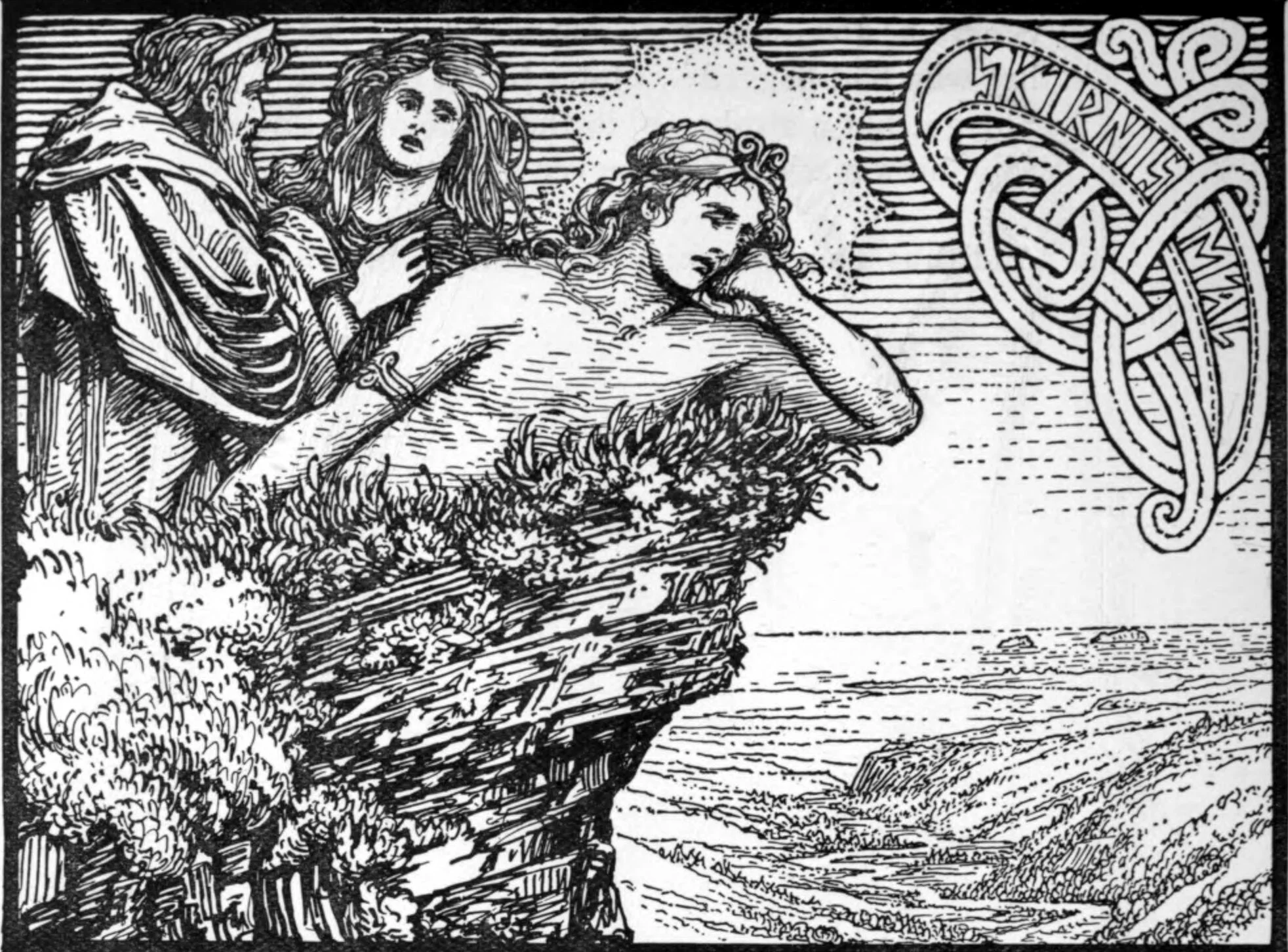
The Earth Goddess
Nerthus is an ancient Germanic goddess strongly associated with the earth, fertility, and peace. Unlike many figures in the later Norse sources, Nerthus is described most clearly by the Roman writer Tacitus, who records a sacred rite in which the goddess is carried in a covered wagon during a time of celebration and calm.
In this tradition, weapons are put away and conflict stops while the goddess is present among her people. The land is blessed, communities feast, and the world feels temporarily restored to harmony.
Nerthus is often discussed alongside the Vanir and sometimes linked with Njord. Some interpretations treat her as a close relative of the sea god or even a counterpart figure in an older layer of belief. What remains consistent is her connection to earth, renewal, and sacred peace.
Divine Powers
Fertility and Harvest
Blesses the land with growth, abundance, and seasonal renewal
Peace and Truce
Her presence brings a sacred pause to violence, a ritual season where weapons are set aside
Sacred Renewal
Linked to cleansing rites, groves, and processions that restore balance between people and land
Famous Traditions
The Sacred Wagon Procession
Nerthus is carried in a covered wagon, bringing peace, feasting, and renewal to the people
Connection to Njord
Many discussions link Nerthus to the Vanir and to Njord through name, theme, or older tradition
Quick Facts
Associated Figures
Sacred Places
Sacred Grove and Island
Nerthus is described with a holy grove and a guarded wagon, suggesting a protected ritual landscape
Family
- Possible Link: Njord (connected by name and tradition)
- Group: Often discussed alongside the Vanir